Trusted Thawing Services in Fairbanks & North Pole – 24/7 Service You Can Count On
When winter temperatures in Fairbanks and North Pole plunge to -40°F, sewer lines can freeze solid, leaving waste with nowhere to go or a buried water supply line that’s stopped flowing. This is more than just inconvenient — it can cause dangerous backups and costly damage if left untreated. At Septic Pro, we’ve been thawing frozen sewer and water supply lines for over a decade. We use safe, high-pressure steam thawing to restore flow quickly, without damaging your pipes. Whether it’s a lift station freeze, a blockage between your home and septic tank, or a deep line frozen solid in -40°F weather, we respond fast — day or night — and get it done right the first time.
Signs You Need Frozen Sewer Line Thawing Service
In Fairbanks, North Pole, and across Interior Alaska,frozen sewer line problems aren’t always obvious at first. You might notice drains slowing down in more than one sink, tub, or toilet at the same time, or hear strange gurgling sounds from your plumbing as air gets trapped behind a blockage. Wastewater may back up into the lowest drains in your home — like a basement tub, garage floor or floor drain — even though toilets or sinks upstairs still seem to work.
In some cases, common in the North Pole area. A Lift Station freeze stops the float switch from telling the pump to run, leaving waste with nowhere to go. Another tricky sign is when standing water in a tub or sink slowly disappears, making it seem like the problem is fixed — but as soon as you run more water, the backup comes right back. This often happens when a section of pipe between your home and the septic tank or lift station is frozen, and water has temporarily drained into another part of the system instead of out to the tank.
You might also notice strong sewage odors indoors or outside, or experience backups that seem to come and go during extreme cold snaps — a sign the line is thawing slightly during the day and freezing again at night.
If you’re seeing slow drains, partial backups, or recurring clogs during the winter months, it’s best to call us before the problem worsens.
Typical Causes of Frozen Sewer or Water Lines
While Interior Alaska’s bitter cold is a big culprit, many freeze-ups we handle could be avoided. Common causes include:
- Super cold snaps that overwhelm uninsulated sections of pipe
- Missing outdoor cleanout caps that let frigid air rush directly into your system
- Snow removed from above buried lines, which eliminates natural insulation
- Grease down the drain that solidifies in cold temperatures and traps ice
- Ground settling that creates low spots where water pools and freezes
Often, it’s a combination of these factors that leads to the ice blockage.
Why Fairbanks & North Pole Choose Septic Pro for Sewer & Water Line Thawing
- Local Expertise – 10+ years handling Alaskan winters and the unique challenges of permafrost and deep freezes.
- 24/7 Emergency Response – Frozen sewer lines can’t wait, and neither do we.
- Safe, Non-Damaging Methods – High-pressure steam thawing protects your pipes while clearing the ice.
- Well-Maintained Fleet – Our thawing trucks are regularly serviced and GPS-tracked for reliability and fast response.
- Fair, Upfront Pricing – You’ll know the cost before we start — no hidden drive-time fees.
- Honest Referrals – If the problem isn’t something we can fix, we’ll connect you with a trusted local pro.
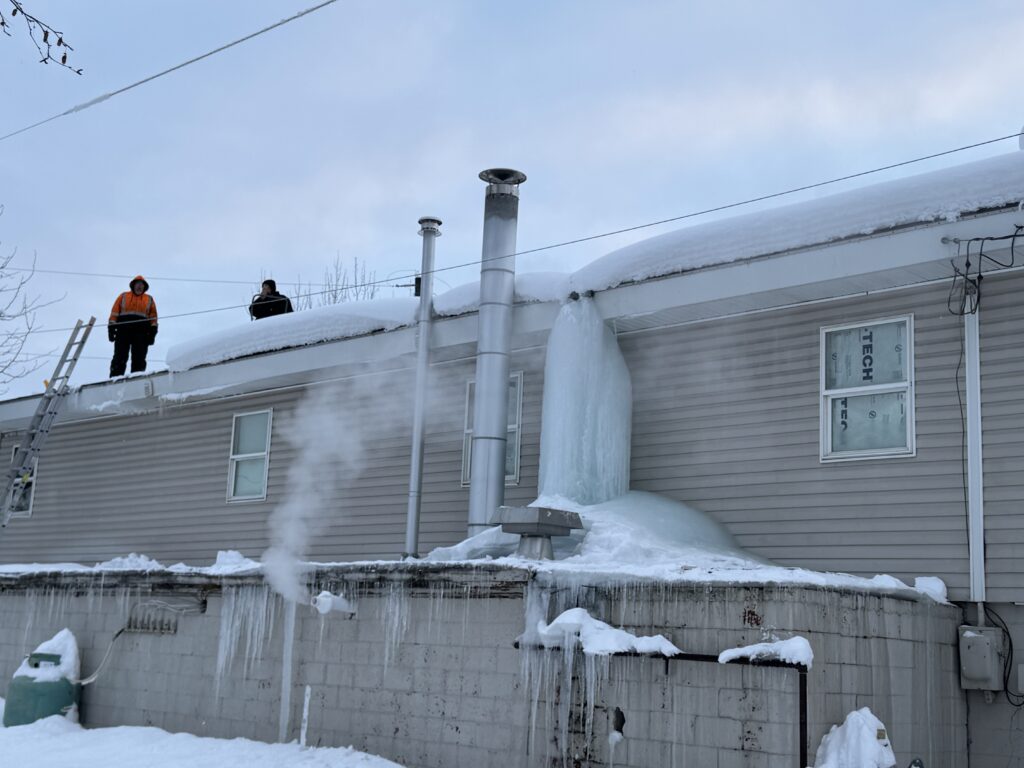
Emergency Frozen Sewer & Water Line Thawing – Day or Night
If your sewer line freezes in Fairbanks, North Pole, or Interior Alaska, call us immediately. We’re on standby 24/7, even in -40°F temperatures. Our team will assess the situation, explain the best solution, and get your home or business back to normal fast.
Frequently Asked Questions – Frozen Sewer Line Thawing in Alaska
Yes — even buried water lines can freeze in Alaska if insulation or heat trace fails, or if temperatures stay extremely low for extended periods. Another common cause is overplowing ice above the buried line. Ice can be colder than the surrounding air, and removing the insulating snow layer exposes the ground to deeper freezing. We recommend leaving a protective layer of snow or ice on your waterways to prevent freeze-ups.
Common signs include sewage backing up into the lowest drain in your home (like a basement tub or floor drain), toilets not flushing properly, or water draining from one fixture but backing up in another. In some cases, the blockage may temporarily clear when the ice melts slightly — only to return when the water re-freezes.
The safest and most effective method is professional high-pressure steam thawing. This ensures the ice is removed without damaging your pipes or tank. Using open flames, space heaters, or makeshift tools can cause severe damage or fire hazards.
It’s not recommended. Frozen sewer lines are often buried or located in hard-to-access areas, and improper thawing can lead to cracked pipes, sewage leaks, or personal injury. Professional thawing is faster, safer, and more reliable — especially in extreme Alaskan cold.
It can happen if the line is not buried deep enough, if there’s poor insulation, or if there’s slow water movement in the pipe due to partial blockages or a failing lift station. Once a section of line freezes, it’s more likely to freeze again unless the underlying cause is fixed.
Wastewater will have nowhere to go, leading to backups into your home. In freezing weather, the ice can expand and crack pipes, causing expensive repairs once it thaws.
No. Thawing is about removing ice blockages; backflushing is a cleaning process to stir and remove solids from a septic tank. In some cases, both may be needed during a service call.
Most jobs take 1–3 hours, depending on the length of the line, how solidly it’s frozen, and where the ice blockage is located.
Yes. If the float switches freeze, the lift station motor won’t get the signal to pump, causing backups. This is a common winter problem in Fairbanks and North Pole.
Yes. Sometimes the freeze is partial, allowing a small amount of water to pass through or travel into another line. Once you use more water, the blockage can cause an immediate backup again.
Pump your septic tank before winter if it’s due, keep your home’s heat on in areas with plumbing, and address any slow drains promptly. Insulating exposed pipes and repairing low spots in the line can also help.
For underground or exterior water lines, professional steam thawing is safest. DIY methods can damage pipes or cause dangerous pressure buildup.
Call Septic Pro – Fairbanks & North Pole’s 24/7 Frozen Sewer & Water Line Thawing Experts
Don’t wait for a frozen sewer line to turn into a bigger, messier problem. Call Septic Pro at (907) 759-8083 for immediate thawing service in Fairbanks, North Pole, and Interior Alaska. We’ll show up when promised, get the line flowing again, and give you tips to keep it from freezing next time.